


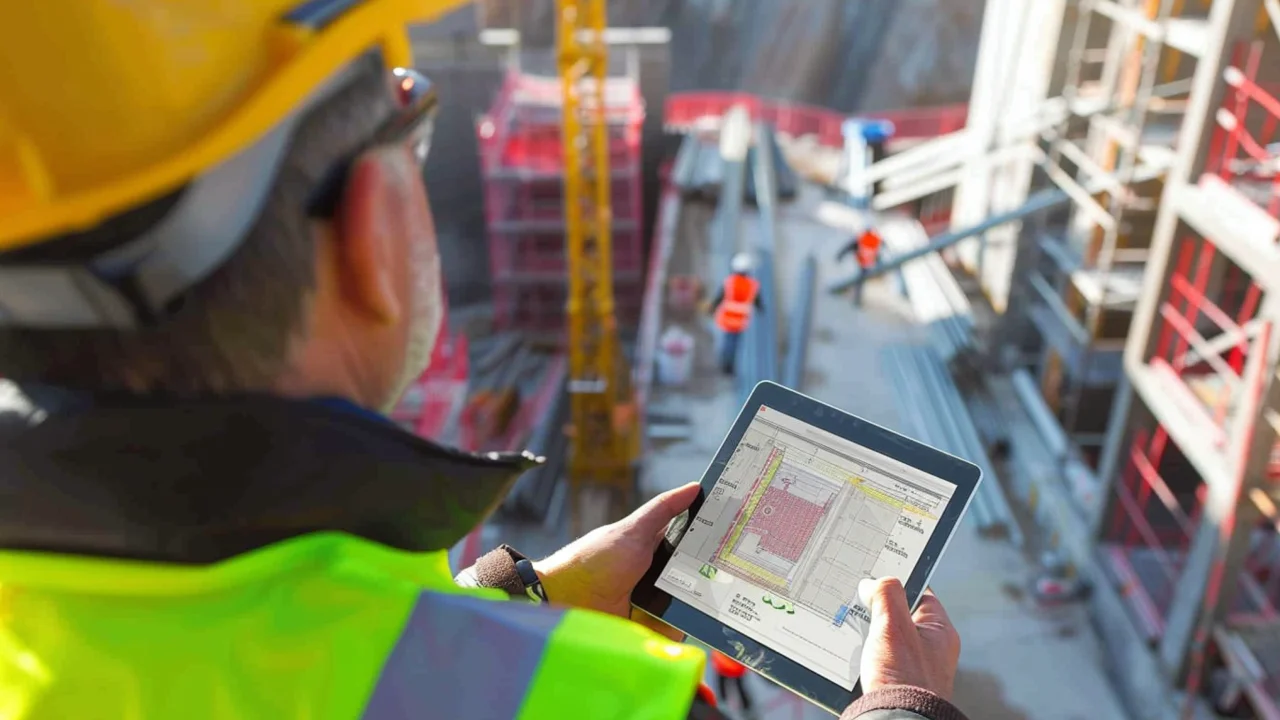

The global construction sector, traditionally viewed as a slow-moving behemoth resistant to digitization, is undergoing a seismic shift in sentiment. For decades, the industry relied on manual processes, fragmented communication chains, and reactive problem-solving. However, facing unprecedented pressures from labor shortages, volatile material costs, and increasingly stringent sustainability mandates, the industry has reached an inflection point. The prevailing wind among top-tier contractors and engineering firms is no longer skepticism regarding advanced technology, but rather an urgent, focused belief in the transformative power of Artificial Intelligence.
- The Catalyst: Current Market Forces Driving AI Adoption
- Elevating Building Information Modeling (BIM) into a Predictive Engine
- The Financial Backbone: AI in Estimating, Risk, and Procurement
- The Autonomous Jobsite: Robotics, Drones, and Computer Vision
- Overcoming the Data Silo Challenge
- The Path Forward: A Redefined Industry
This shift is not merely about adopting new gadgets; it is a fundamental rethinking of how structures are designed, financed, managed, and executed. Recent industry analysis indicates a surge in contractor confidence regarding AI’s ability to deliver tangible returns on investment. The consensus is moving away from viewing AI as futuristic “vaporware” towards seeing it as an essential tool for survival and growth in a hyper-competitive market. We are witnessing the transition from pilot programs to enterprise-wide integration, driven by the realization that data is now as critical a resource as concrete or steel.
This deep dive explores the specific avenues through which AI is reshaping the built environment, the high-value applications driving this newfound contractor confidence, and the operational realities of deploying intelligent systems on the modern jobsite.
The Catalyst: Current Market Forces Driving AI Adoption
To understand why contractors are embracing AI now, we must examine the immediate operational exigencies they face daily. The construction ecosystem is currently navigating a perfect storm of challenges that traditional methods are ill-equipped to handle.
First and foremost is the chronic skilled labor shortage. Markets across North America, Europe, and Asia report severe difficulties in filling roles ranging from specialized tradespeople to experienced project managers. AI is increasingly viewed not as a replacement for human workers, but as a force multiplier that allows smaller teams to achieve more. By automating administrative burdens, scheduling complexities, and routine data entry, firms can free up their valuable human talent for high-level decision-making and on-site execution.
Secondly, material price volatility and supply chain unpredictability have become the new normal. Relying on static spreadsheets and historical data for procurement is now a recipe for margin erosion. AI-driven predictive analytics allows firms to forecast pricing trends, optimize inventory levels in real-time, and identify alternative suppliers before a bottleneck stops production.
Furthermore, the push for sustainability and compliance is no longer optional. Regulatory bodies and clients alike are demanding reduced carbon footprints, efficient waste management, and strict adherence to safety protocols. AI provides the granular tracking and predictive modeling necessary to meet these complex environmental, social, and governance (ESG) criteria without sacrificing profitability.
Elevating Building Information Modeling (BIM) into a Predictive Engine
Building Information Modeling (BIM) has been a staple in construction design for years, providing 3D representations of physical and functional characteristics. However, the integration of AI is taking BIM from a static descriptive tool to a dynamic predictive engine, often referred to as a “Digital Twin.”
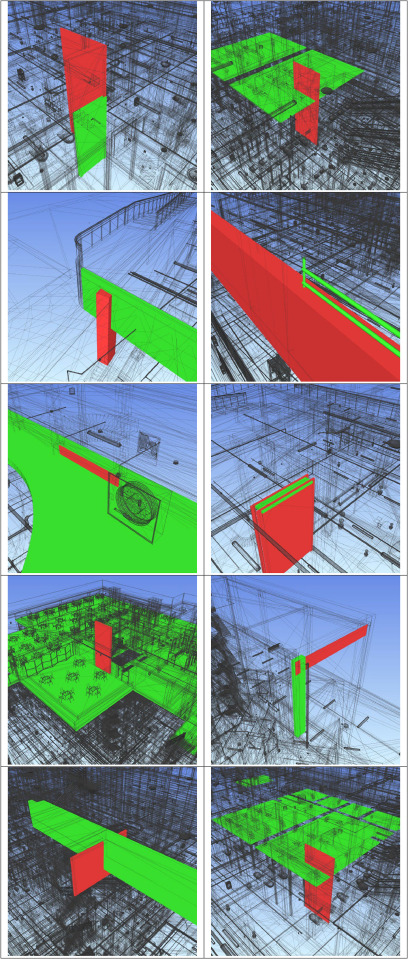
Leading contractors are leveraging machine learning algorithms that run atop existing BIM infrastructure. These algorithms analyze historical project data against current design parameters to identify potential clashes and constructability issues months before ground is broken. Instead of merely showing where a chaotic intersection of HVAC ducts and structural beams occurs, AI-enhanced BIM can suggest optimal rerouting paths based on cost implications and installation time constraints.
This predictive capability extends to lifecycle management. By embedding sensor data from completed buildings back into the model, contractors can offer high-value post-construction services, predicting maintenance needs for elevators, HVAC systems, and structural integrity. This shift allows construction firms to evolve from one-off builders into long-term asset management partners, securing recurring revenue streams. The sophistication of these platforms requires robust enterprise software infrastructure, driving significant investment in cloud-based collaboration tools and data storage solutions.
The Financial Backbone: AI in Estimating, Risk, and Procurement
Perhaps the most critical area where contractor belief in AI is manifesting is in the financial and legal backbone of projects. The difference between profitability and significant loss in construction often hinges on the accuracy of estimates and the effective management of contractual risk.
Traditionally, estimating was a labor-intensive process relying heavily on the intuition of experienced personnel. Today, AI platforms use Natural Language Processing (NLP) to scan thousands of pages of tender documents, identifying specific requirements, exclusions, and non-standard clauses instantly. Machine learning models then analyze historical cost data across similar project types to generate highly accurate baseline estimates, accounting for localized labor rates and current material pricing indices. This automated quantity takeoff process significantly reduces the time spent on bidding while increasing estimate accuracy.
Furthermore, AI is revolutionizing risk management. By analyzing vast datasets of past project outcomes, litigation records, and safety incident reports, predictive models can flag high-risk elements in a new project proposal. This might include identifying a subcontractor with a history of delays or highlighting a geological risk factor in a specific locale. This level of insight is invaluable for securing favorable insurance premiums and structuring contracts that adequately mitigate liability. The deployment of these sophisticated financial technologies is becoming a key differentiator for large-scale contractors competing for complex infrastructure projects.
The Autonomous Jobsite: Robotics, Drones, and Computer Vision
While software dominates the back office, the physical jobsite is also experiencing an AI-driven transformation. The belief in jobsite robotics is moving from novelty to practical necessity, particularly in addressing repetitive tasks and hazardous environments.
Drones equipped with high-resolution cameras and LIDAR sensors are now standard tools for site surveying and progress tracking. However, the real value lies in the AI software that processes this aerial data. Computer vision algorithms can analyze daily drone footage to generate near real-time volumetric measurements of earthworks and material stockpiles. They can compare visual progress against the digital project schedule, automatically flagging delays or deviations to project managers. This level of automated reality capture ensures that the “as-built” state constantly matches the “as-designed” model.
On the ground, we are seeing the gradual introduction of purpose-built robotics. Autonomous heavy machinery, such as bulldozers and excavators guided by GPS and AI, can perform precise grading tasks with minimal human intervention, often operating during off-hours to accelerate schedules. Other applications include robotic systems for repetitive tasks like bricklaying or rebar tying, which not only speed up construction but also reduce physical strain and injury risk for human workers.
Computer vision is also enhancing safety. Smart camera systems placed around the site can detect safety violations in real-time—such as a worker without a hard hat or personnel entering a restricted zone—and instantly alert site supervisors. This proactive approach to safety management is crucial for reducing insurance costs and maintaining operational continuity.
Overcoming the Data Silo Challenge
Despite the strong belief in AI’s potential, realizing its full benefits requires overcoming significant hurdles, primarily centered around data governance. The construction industry is infamous for its fragmented data pipelines. Design data sits in one format, financial data in another, and field data on scattered tablets and paper notes.
For AI models to be effective, they require vast amounts of clean, structured, and interconnected data. Contractors are realizing that they need to invest heavily in enterprise data architecture and integration platforms. This involves breaking down silos between different departments—ensuring that the estimating software talks to the project management platform, which in turn feeds data into the ERP system.
The most successful contractors are those treating data strategy as a C-level priority. They are establishing standardized protocols for data collection across all project phases and investing in cloud platforms that act as a single source of truth. Without this foundational data layer, even the most advanced AI algorithms will fail to deliver actionable insights. This necessity is driving significant spending on enterprise-grade cloud storage, cybersecurity solutions tailored for construction, and API integration services.
The Path Forward: A Redefined Industry
The strong contractor belief in AI signifies a maturation of the construction industry. It is an acknowledgement that the complexity of modern projects has outpaced the capacity of analog management methods. The integration of artificial intelligence is no longer a competitive advantage reserved for the few; it is rapidly becoming an operational baseline required to bid on and execute major projects.
While the journey involves significant capital investment in software, hardware, and workforce upskilling, the return on investment regarding efficiency gains, risk mitigation, and enhanced profitability is proving undeniable. As noted in recent industry reporting, such as the insights found on artificialintelligence-news.com concerning construction industry AI success potential, the sector is primed for a technology-led overhaul.
The construction firms that will lead the next decade are those that successfully navigate this digital transition, fusing human expertise with algorithmic intelligence to build faster, safer, and smarter. The digital hard hat is here to stay, and it is powered by AI.