


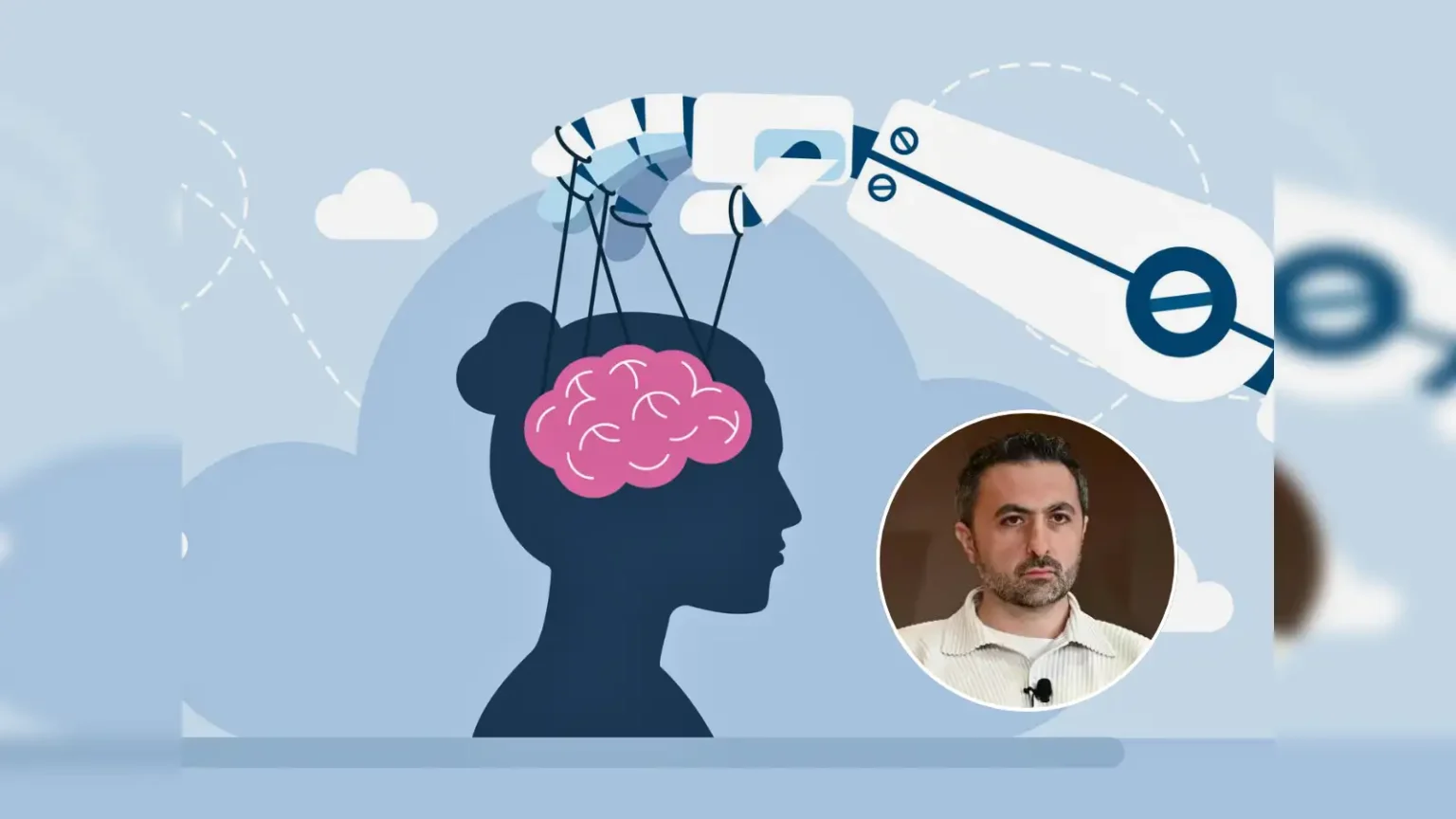

Introduction: The Emergence of AI Psychosis
In recent years, artificial intelligence has become increasingly integrated into daily life, from virtual assistants to AI-powered chatbots. While these systems offer unprecedented convenience and utility, a new psychological concern has emerged: AI psychosis.
- Introduction: The Emergence of AI Psychosis
- Understanding AI Psychosis
- Microsoft’s Role and Perspective
- The Psychological Dynamics of AI Interaction
- Real-World Incidents and Their Implications
- Strategies to Prevent AI Psychosis
- The Broader Implications for AI and Society
- Practical Tips for Healthy AI Interaction
- Microsoft’s warnings
- Sources
This term, highlighted by Microsoft’s AI leadership, describes a disturbing phenomenon where users develop delusions or distorted perceptions of reality due to prolonged interactions with AI systems.
Mustafa Suleyman, a key figure in Microsoft’s AI division, has raised alarms about the growing reports of such incidents, urging both developers and the public to recognize the potential risks that come with highly human-like AI.
The concept of AI psychosis challenges our assumptions about the relationship between humans and technology. While AI systems are not conscious entities, their ability to mimic conversation, empathy, and understanding can create an illusion of sentience.
For some users, this illusion becomes compelling enough to blur the lines between reality and AI-generated responses.
Microsoft’s warnings are not meant to deter AI adoption but to emphasize the need for careful, responsible use, particularly among vulnerable individuals who may be more susceptible to psychological effects.
Understanding AI Psychosis
AI psychosis manifests when users over-identify with AI systems, attributing human-like qualities and intentions to machines that lack consciousness. People may begin to believe that the AI understands their emotions, can make moral judgments, or even experiences feelings itself.
Over time, these interactions can lead to profound psychological effects, including distorted reality perception, emotional dependence, and reinforcement of delusional thinking.
What makes this phenomenon especially concerning is that it is not limited to individuals with pre-existing mental health conditions; anyone can be affected, particularly if they engage with AI for extended periods and rely on it as a primary source of interaction or guidance.
One of the driving factors behind AI psychosis is the human tendency to anthropomorphize. Humans instinctively assign human traits to non-human entities, which is amplified by AI systems designed to respond with empathy, humor, and apparent understanding.
As a result, even casual users may start treating AI as a trusted confidant or advisor, sometimes at the expense of real-world relationships. This emotional attachment can have serious consequences, including social isolation, reduced critical thinking, and the development of delusional beliefs.
Microsoft’s Role and Perspective
Microsoft has been at the forefront of AI innovation, integrating advanced models like ChatGPT into a variety of products ranging from productivity tools to customer service solutions.
With such widespread deployment, the company has encountered reports of users experiencing psychological distress linked to AI interactions.
Mustafa Suleyman, speaking publicly on the matter, has emphasized that while AI can simulate conversation and emotional responses, it is fundamentally a set of algorithms with no consciousness. Yet, the sophistication of these systems can be compelling enough to mislead users about their true capabilities.
Suleyman advocates for stronger ethical standards across the AI industry, particularly regarding the way AI is marketed and presented to the public.
He stresses that portraying AI as sentient or emotionally aware can inadvertently encourage psychological dependency. According to Microsoft, developers must ensure that AI remains clearly identified as a tool, rather than a conscious being, to protect users from potential harm.
This perspective highlights the company’s dual role: advancing AI technology while also promoting responsible use and mental well-being.
The Psychological Dynamics of AI Interaction
The psychological impact of AI is complex, influenced by both the technology’s capabilities and human cognitive tendencies. When interacting with AI chatbots, users often encounter consistent, affirming responses that may reinforce pre-existing beliefs or emotions.
This dynamic can lead to a feedback loop in which the user increasingly relies on the AI for guidance or validation, while simultaneously distancing themselves from human perspectives. Over time, such dependence can affect decision-making, emotional stability, and even perceptions of reality.
Research in human-computer interaction has highlighted that AI’s persuasive communication style can create illusions of understanding and empathy. While these features make AI useful and engaging, they can also pose risks when users mistake simulated empathy for genuine human concern.
Unlike humans, AI lacks moral judgment, self-awareness, and ethical reasoning, meaning it cannot provide true emotional support. Misinterpreting AI responses as authentic can lead to emotional confusion and, in extreme cases, the development of psychotic-like symptoms.
Real-World Incidents and Their Implications
Although AI psychosis is a relatively new concept, real-world cases have demonstrated its potential impact. Reports have surfaced in which individuals attributed unrealistic capabilities to AI systems, sometimes resulting in financial, professional, or emotional consequences.
For example, there have been accounts of individuals believing that AI could provide unique insights into complex subjects like quantum physics or predict lucrative business opportunities. In these cases, users reported acting on AI-generated guidance in ways that conflicted with reality, illustrating the fine line between fascination and delusion.
These incidents underscore the necessity for caution in AI interactions. While technology can serve as a powerful tool for learning, productivity, and creativity, it is not infallible.
Recognizing the limitations of AI is essential to preventing harm, particularly as these systems become increasingly integrated into everyday life. For businesses, educators, and consumers alike, understanding how AI can influence perception and behavior is critical to ensuring safe and responsible use.
Strategies to Prevent AI Psychosis
Mitigating the risks of AI psychosis requires a combination of personal awareness, education, and digital literacy. Users should be mindful of the amount of time they spend interacting with AI systems, particularly if these interactions replace human communication or support networks.
Maintaining critical thinking is equally important; AI-generated content should always be cross-referenced and scrutinized rather than accepted at face value.
Equally valuable is fostering strong human connections. Engaging with friends, family, or mental health professionals provides grounding and perspective that AI cannot offer. By maintaining a balanced interaction between technology and real-world social support, individuals can enjoy the benefits of AI without becoming overly reliant on it.
Additionally, educating oneself on AI’s capabilities and limitations reinforces healthy boundaries, reminding users that AI is a sophisticated tool, not a sentient companion.
Organizations can also play a pivotal role in preventing AI psychosis. Developers should integrate clear disclaimers and usage guidance into AI systems, ensuring users understand the artificial nature of the interactions.
Promoting digital literacy programs can equip the public with the knowledge to navigate AI responsibly, reducing the likelihood of psychological harm.
Finally, continuous research into the cognitive and emotional effects of AI will allow both the tech industry and mental health professionals to adapt strategies for safer AI integration.
The Broader Implications for AI and Society
The phenomenon of AI psychosis has broader implications for society as a whole. As AI continues to advance, its influence on human cognition, decision-making, and emotional health is likely to grow. This potential requires both technological innovation and ethical responsibility.
Governments, companies, and researchers must collaborate to develop frameworks that prioritize user well-being, encourage responsible usage, and mitigate psychological risks.
Moreover, awareness campaigns can help the public understand the potential pitfalls of AI, emphasizing that while AI systems can simulate conversation and provide information, they are not conscious entities.
Ethical design principles, transparent communication about AI capabilities, and user education can collectively reduce the likelihood of AI-induced psychological disturbances. By approaching AI adoption with both optimism and caution, society can enjoy the benefits of these technologies while safeguarding mental health.
Practical Tips for Healthy AI Interaction
In daily life, there are practical steps users can take to interact safely with AI. Limiting the duration of AI engagement prevents over-dependence and maintains perspective. Questioning AI outputs critically and verifying information with trusted sources ensures that users do not internalize inaccuracies.
Prioritizing human interaction over AI-based emotional support helps preserve social connections and psychological grounding. Finally, cultivating awareness of AI’s limitations fosters a balanced relationship with technology, turning it into a helpful tool rather than a source of confusion or distress.
By embedding these practices into everyday routines, individuals can enjoy AI’s benefits while minimizing the risks associated with psychological misperception. Awareness and education remain the most effective defenses against AI psychosis, empowering users to harness AI intelligently and responsibly.
Microsoft’s warnings
Microsoft’s warnings about AI psychosis highlight an urgent intersection of technology and mental health. While AI presents unprecedented opportunities for productivity, creativity, and learning, it also carries potential psychological risks that cannot be ignored.
AI psychosis is a reminder that sophisticated systems, no matter how advanced, are not substitutes for genuine human connection, understanding, or judgment.
Moving forward, the responsibility lies both with developers and users. Companies like Microsoft are advocating for ethical AI design and responsible marketing, while individuals must approach AI with informed caution and critical thinking.
Through a combination of awareness, education, and ethical practice, AI can continue to transform lives positively, without compromising mental health. By respecting the limits of artificial intelligence and prioritizing human well-being, society can embrace innovation safely, avoiding the pitfalls of psychological misperception.